- 0370670385
- Mon-Fri: 9:30am - 5:30pm, Sat - 9:00am - 2:00pm, Sun - Closed
Emergency Dentistry
- Home
- Emergency Dentistry

Managing Urgent Dental Concerns with a Consultation

Many dental conditions develop without immediate symptoms. Presentations such as severe toothache, swelling, structural fractures, lost restorations, or traumatic dental injuries require timely clinical evaluation to determine the underlying cause and explore appropriate management options.
Advantage Family Dental Clinic can help with emergency dental assessments to address these urgent concerns. Because scheduling availability fluctuates throughout the day, contacting the clinic as early as possible provides the team with the best opportunity to coordinate an assessment time.
When To Seek Emergency Dental Care
Contact a dentist promptly for severe or persistent tooth pain, facial or gum swelling, a broken tooth, a knocked-out adult tooth, dental bleeding, a lost restoration causing significant discomfort, or an injury involving your teeth or jaw.
Visit an emergency department if you have breathing difficulty, trouble swallowing, severe facial swelling affecting your airway, major facial trauma, or heavy bleeding you cannot control.
Urgent Dental Concerns We Assess
Urgent Dental Concerns We Assess
Toothache
Dental pain has several possible causes. Decay, cracks, infection, gum problems, grinding, or trauma might all produce discomfort. Your dentist examines the affected area and discusses the next step based on the findings.
Broken or Chipped Teeth
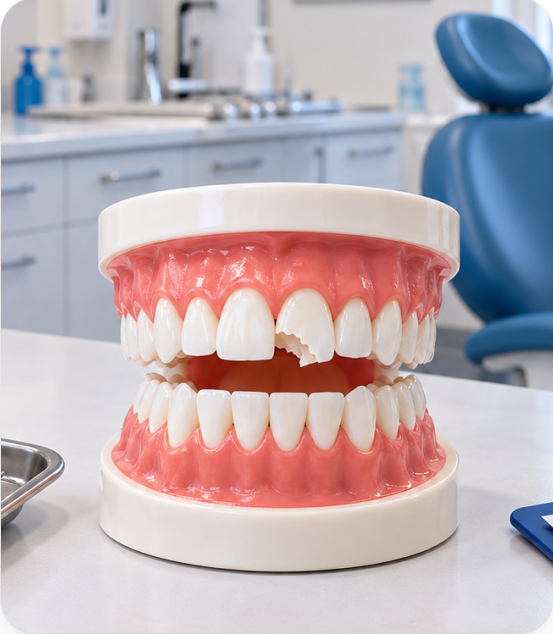
A tooth sometimes fractures after a fall, sporting injury, hard food, grinding, or weakening from previous dental work. Treatment depends on fracture depth, symptoms, and the amount of healthy tooth structure remaining.
Knocked-Out Adult Teeth
A knocked-out adult tooth needs urgent attention. Hold the tooth by the crown, which is the visible white section. Avoid touching the root.
If dirty, rinse briefly without scrubbing. Replace the tooth into position only where doing so feels safe and straightforward. Otherwise, keep the tooth moist in milk or saliva and seek urgent dental care. Never reinsert a knocked-out baby tooth.
Lost Fillings or Crowns
A missing filling or crown sometimes leaves a tooth sensitive, exposed, or uncomfortable during chewing. Avoid chewing on the affected side. Keep the crown or restoration if you still have the piece and bring it to your appointment.
Swelling and Dental Infection
Swelling around a tooth, gum, cheek, or jaw deserves prompt assessment. Fever, an unpleasant taste, increasing pain, or difficulty opening your mouth sometimes occurs alongside dental infection.
Dental Trauma
Falls, sport, workplace incidents, and accidents sometimes injure teeth, gums, lips, or supporting tissues. Even where a tooth stays in place, movement, cracks, or internal damage might still need dental assessment.
What To Expect at an Emergency Appointment
Your dentist starts by asking what happened and when the symptoms began. Mention pain, swelling, fever, bleeding, recent trauma, medicines, allergies, and relevant medical conditions.
The affected area is then examined. X-rays are discussed where they help identify the cause or extent of damage. Treatment depends on the diagnosis. The immediate appointment might involve stabilising a tooth, placing a temporary or permanent restoration, managing an infection, starting root canal care, removing a tooth, or arranging referral.
Your dentist explains the proposed treatment, costs, alternatives, risks, and further appointments before proceeding.
What To Do Before You Arrive
While awaiting care, standard first-aid measures can help temporarily manage symptoms. For active bleeding, apply steady pressure using clean gauze or cloth.
For facial swelling, an external wrapped cold compress can be used however, immediate medical intervention is required if swelling affects breathing or swallowing. If a tooth is broken or knocked out, handle it strictly by the crown, avoid touching the root, and preserve any pieces in milk or sterile saline until your clinical appointment.
Additionally, avoid placing aspirin or alternative analgesics directly against teeth or gums, as direct contact can cause soft-tissue chemical burns.
Note: These steps are for temporary management and do not substitute for professional triage or diagnosis.
Surgical Notice
Any surgical or invasive procedure carries risks. Before proceeding, seek a second opinion from an appropriately qualified health practitioner where circumstances allow. Emergency situations sometimes require timely decisions. Your dentist will explain relevant risks, alternatives, recovery needs, and fees. Individual outcomes vary.
Book an emergency dental assessment at Advantage Family Dental Clinic in Hastings for prompt clinical evaluation of tooth pain, swelling, damage, or dental injury.
FAQs
Frequently Asked Questions
Can’t find what you’re looking for? Our team is happy to help — just give us a call.
Calling ahead is recommended. The team will advise on current availability and the appropriate next step.
Hold the crown, avoid touching the root, keep the tooth moist, and seek urgent dental care.
Sometimes. Other concerns need initial care followed by another appointment or referral.
Dental swelling often requires dental assessment. Attend an emergency department where swelling affects breathing or swallowing, spreads quickly, or follows major trauma.